The content of regular maintenance for high-voltage motors during motor maintenance is as follows
1. Clean the motor. Timely remove dust and oil sludge from the outside of the motor base. If the environment is dusty, it is best to clean it once a day.
2. Check and clean the motor wiring terminals. Check if the wiring screws of the junction box are loose or burnt.
3. Check the screws of each fixed part, including foundation screws, end cover screws, bearing cover screws, etc. Tighten the loose nuts.
4. Check the transmission device, pulley or coupling for strength, damage, and secure installation; Is the belt and its coupling intact.
5. The starting equipment of the motor should also be cleaned of external dust and dust in a timely manner. The contacts should be wiped, and all wiring parts should be checked for burn marks and whether the grounding wire is in good condition.
6. Inspection and maintenance of bearings. Bearings should be cleaned and replaced with lubricating grease or oil after a period of use. The time for cleaning and oil change should depend on the working condition, working environment, cleanliness level, and lubricant type of the motor. Half of the time should be cleaned and replaced with lubricating grease every 3-6 months of operation. When the oil temperature is high, or when the environmental conditions are poor and there is a lot of dust on the motor, it is necessary to regularly clean and change the oil.
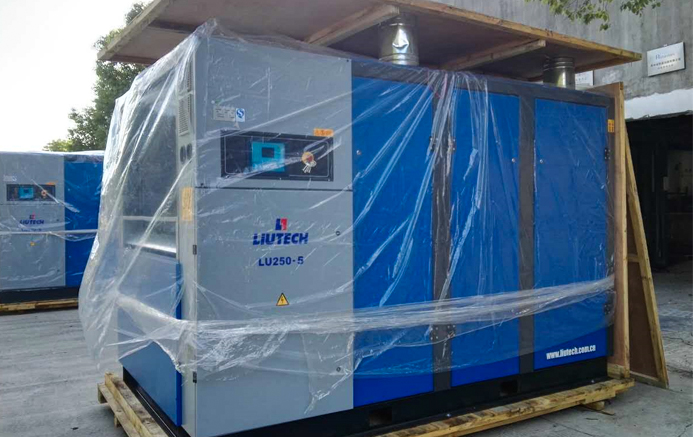
7. Inspection of insulation condition. The insulation ability of insulation materials varies depending on the degree of dryness, so it is very important to check the dryness of motor windings. The humid working environment of the motor and the presence of corrosive gases in the workplace can damage the electrical insulation. The most common type is winding grounding fault, which refers to insulation damage, causing the live part to collide with metal parts such as the casing that should not be live. This type of fault not only affects the normal operation of the motor, but also endangers personal safety. Therefore, during the use of the motor, the insulation resistance should be checked frequently, and attention should also be paid to checking whether the grounding of the motor casing is reliable.
Electric motors for driving can be divided into: electric motors for electric tools (including drilling, polishing, polishing, slotting, cutting, expanding, etc.) Electric motors for household appliances (including washing machines, electric fans, refrigerators, air conditioners, tape recorders, video recorders, DVD players, vacuum cleaners, cameras, hair dryers, electric shavers, etc.) and other general small mechanical equipment (including various small machine tools, small machinery, medical equipment, electronic instruments, etc.).
The function of the stator winding is to introduce three-phase AC current and generate a rotating magnetic field. Usually, the winding is made of high-strength enameled wire wound into various types of coils, embedded in the stator slot. The base is a fixed stator core and stator winding, supported by two end covers for the rotor, while protecting the entire motor and the heat generated during the operation of the divergent motor. The rotor is the rotating part of an electric motor, mainly composed of components such as the rotor core, rotor winding, shaft, and end cover.

Contact person: Wang Yun
mobile phone:15806202008
phone:0512-62752166
Fax:0512-62753166
Email:yun.wang@ruisiman.com.cn
Website:www.ruisiman.com.cn
Address: 9th Floor, Zhongqi Zero Building, Aigehao Road, Xiangcheng District, Suzhou City